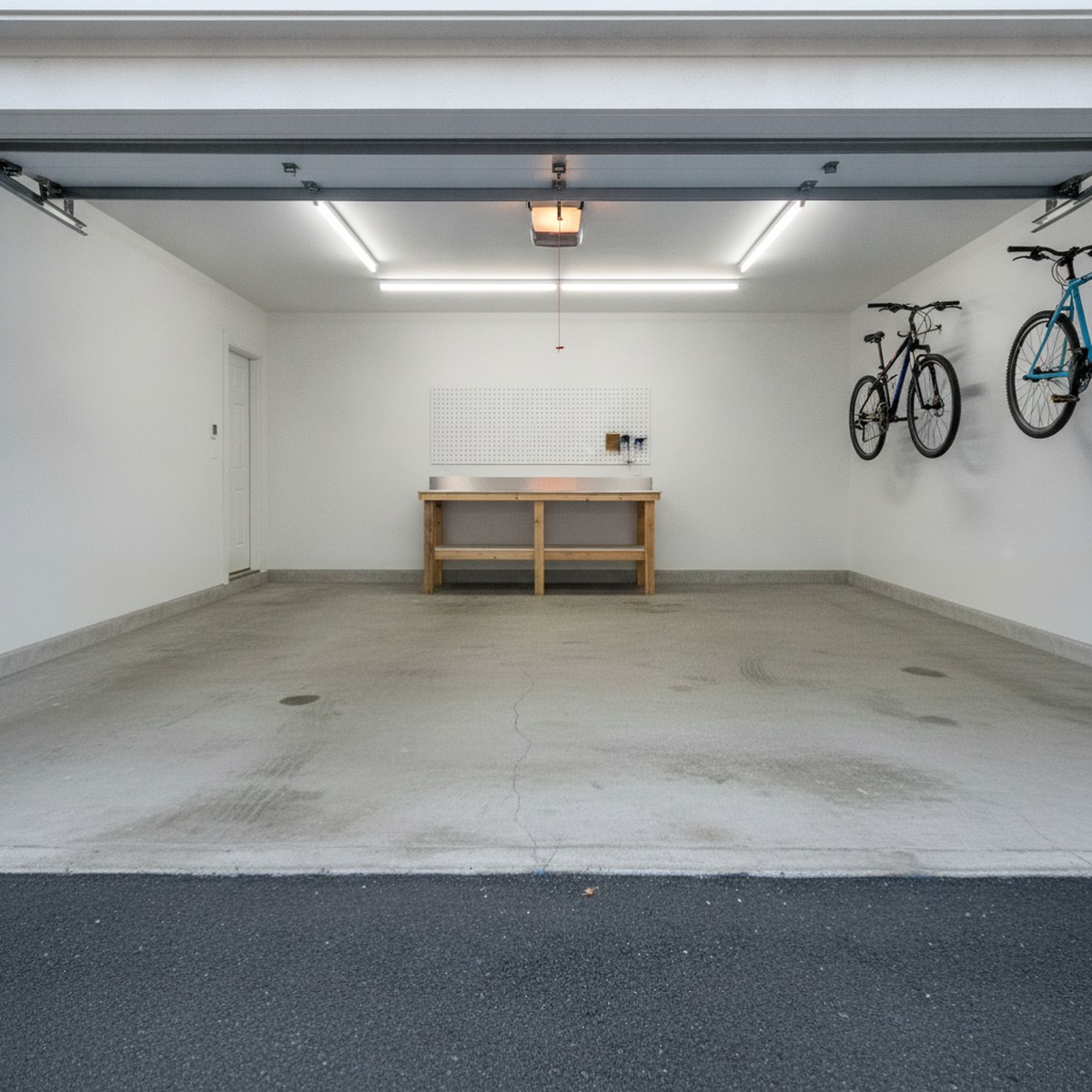
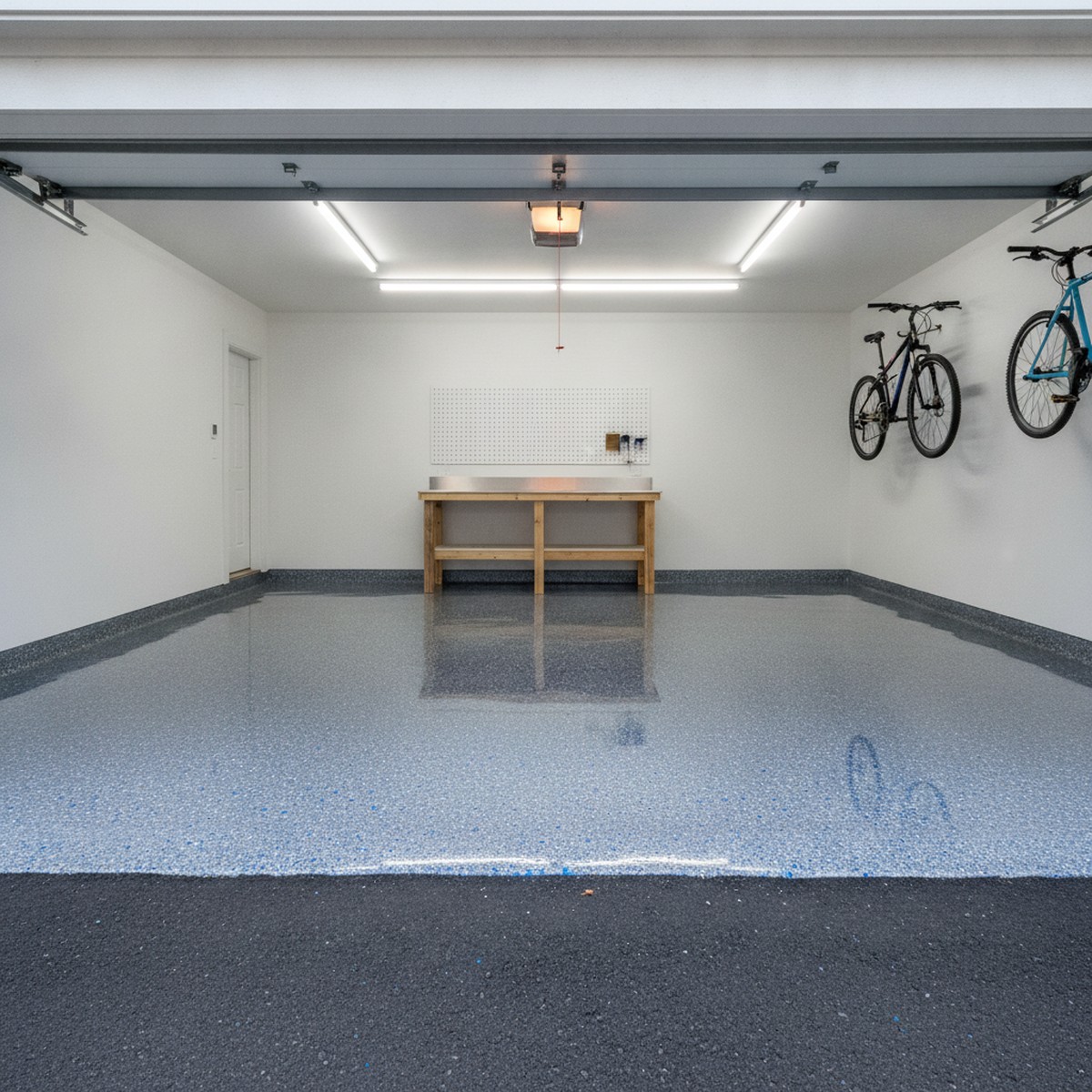
Moisture-resistant, durable basement floors built for Boise homes. Gyms, rec rooms, storage, and finished living spaces. We prep for basement moisture with vapor-barrier primer where it's needed, and we grind so the coating bonds into the slab, not just onto it. Backed by a transferable lifetime warranty.
Boise basements see everything from storage to home gyms to finished living spaces. Epoxy flooring gives your concrete a moisture-resistant, durable finish that handles Idaho's humidity swings and works under carpet, tile, or as a finished surface on its own. The result is a cleaner, brighter basement that resists dust and mold and feels like part of your home, not a damp storage area. Finishing the basement for extra living space, or just want a floor that holds up to whatever you throw at it? Epoxy is one of the smartest investments you can make.
Why Boise Homeowners Trust Boise Epoxy Boys
- ✓ Local Boise installers, not a franchise or call center. You talk directly with the people who do the work.
- ✓ We plan around basement moisture. Where a slab needs it, we use vapor barriers and moisture-mitigation primers, and we grind so the coating bonds into the slab, not just onto it.
- ✓ No-surprises written estimates. Prep, crack repair, primer, base coat, decorative layers, and topcoat are all spelled out. Moisture mitigation is listed only if the test says it's needed.
- ✓ Homeowner-friendly scheduling. We schedule around your family and tell you up front how long your basement will be out of use.
- ✓ Honest assessment up front. If a slab has a moisture problem we can't reliably coat over, we tell you before any work starts rather than installing a floor that will fail.
Why Epoxy is Perfect for Boise Basements
Moisture Resistance
Treasure Valley basements deal with moisture intrusion that most homeowners underestimate. Seasonal irrigation across the valley and spring snowmelt raise soil moisture around basement slabs, and hydrostatic pressure pushes that moisture vapor up through concrete, even when the slab looks and feels dry. Standard paint and bare concrete offer virtually no defense. Epoxy applied over a proper vapor barrier and moisture-mitigation primer creates a sealed, moisture-resistant surface, protecting your belongings and the structural integrity of your floor.
Built-In Durability
Basement floors take punishment that living-room floors never see. Storage racks loaded with gear, gym equipment sitting in one spot, boxes being dragged across the floor. Bare concrete chips, cracks, and grinds into dust over time. A properly installed epoxy system bonds directly to the concrete and cures into a surface that handles heavy foot traffic, loaded shelving, and gym equipment without flinching. It doesn't scuff, it doesn't pit, and it doesn't turn to powder under pressure.
Thermal Comfort and Versatility
Epoxy doesn't make a cold floor warm by itself, but it reflects light and creates a cleaner, brighter space that feels less like a dungeon and more like a usable room. The sealed surface pairs well with area rugs, foam interlocking mats, and rubber gym flooring for zones where you want more underfoot comfort. For basements used as living spaces, this flexibility means you can zone the floor, hard surface in the utility area, foam mats in the gym zone, rugs in the lounge, all on the same epoxy base.
Aesthetic Options for Finished Spaces
Epoxy has come a long way from industrial gray. Color chip broadcast systems create a speckled, textured look that reads as finished, intentional flooring. Metallic epoxy systems produce swirling, luminous effects that look closer to poured resin art than anything you'd expect from a basement floor. Solid-color systems in a range of tones from light neutrals to deep charcoals give you full control over the room's palette. Whatever direction you're taking the space aesthetically, there's an epoxy system that fits.
Easy Maintenance, Mold Resistance
Bare concrete is porous. It absorbs spills, traps mold spores in its surface texture, and is nearly impossible to fully sanitize. Epoxy creates a non-porous surface with nowhere for mold and mildew to take hold. Cleanup is simple, sweep out grit regularly and mop with a mild cleaner when needed. There are no grout lines to scrub, no carpet fibers trapping allergens, no wood laminate swelling when moisture finds a seam. For a space that often goes weeks without attention, that low-maintenance profile is a genuine advantage for both your time and your indoor air quality.
Basement Epoxy Applications
Home Gyms
Impact-resistant and easy to clean after hard workouts. Anti-slip additives are available in the topcoat for better grip during high-intensity exercise. Compatible with rubber gym flooring and foam interlocking mats, so you can add cushioning where you need it without sacrificing the sealed base underneath. Many Boise homeowners turn an underused basement into a home gym to skip the winter drive. Epoxy gives you a clean, sweat-proof base that won't get musty.
Home Theaters and Rec Rooms
A smooth color chip or solid-color finish looks sharp under theater seating and rec room furniture. The sealed surface is compatible with sound-dampening underlayment beneath area rugs, and it won't absorb spills from movie-night drinks the way carpet does.
Storage Areas
Moisture-resistant epoxy protects stored items from dampness that seeps up through unsealed concrete. Shelving and racking leave no impressions. The smooth, sealed surface is easy to sweep, so seasonal changeovers don't involve scrubbing grime off a pitted concrete floor.
Finished Living Spaces
Color chip broadcast systems and metallic epoxy options produce results that look like premium flooring, not a coated basement. These systems hold up under the daily foot traffic of a finished living space while staying far easier to maintain than tile grout or wood laminate. For growing Boise families, finishing the basement with epoxy adds usable square footage without worrying about kids tracking in snow, mud, or irrigation water.
Man Caves and Workshops
Durable under tool drops, chemical resistant, and easy to clean up oils, grease, and workshop fluids. Epoxy stands up to the kind of mechanical work and hobby projects that would destroy carpet or stain bare concrete. Dark color chip systems hide minor scuffs and dirt between cleanings.
Moisture Concerns in Boise Basements
Treasure Valley basements can see elevated moisture from seasonal irrigation and snowmelt, factors most homeowners don't think about when they consider their basement floor. That soil moisture works its way toward basement slabs through a process called hydrostatic pressure. Even slabs that look and feel dry on the surface can be transmitting significant moisture vapor through the concrete. Spring snowmelt compounds this, pushing additional water into the ground just as temperatures warm up.
Checking concrete moisture before coating is how peeling and bubbling get prevented, so a floor actually lasts. Concrete that looks dry to the eye can still be transmitting moisture vapor, and installing epoxy over high-moisture concrete without proper mitigation causes problems down the road. Moisture gets trapped between the epoxy and the concrete, and the epoxy eventually bubbles, blisters, and peels off in sheets.
When moisture levels are elevated, we use vapor barriers and moisture-mitigation epoxy primers before applying the topcoat system. These products are designed specifically to lock moisture vapor in the slab and give the finish coat a stable surface to bond to. We won't skip this step. Skipping moisture mitigation is how a floor fails early. If moisture mitigation is needed, it's clearly listed as its own line item in your written estimate, never added as a surprise after we start the job.
No risk to you: If your concrete fails the moisture test and you decide not to move forward with mitigation, you owe us nothing. We'd rather walk away than install a floor we know will fail.
Epoxy vs. Other Basement Floor Options
Wondering whether epoxy is worth it over paint, carpet, or just leaving the concrete bare? Here's how the common Boise basement options compare on the things that actually matter underground.
| Professional Epoxy | Concrete Paint | Carpet / Laminate | Bare Concrete | |
|---|---|---|---|---|
| Handles slab moisture | Yes, over proper vapor barrier & primer | No, peels and flakes | No, traps damp and grows mold | No defense at all |
| Durability | Years of heavy use. Resists impact | Wears and chips in high-traffic spots | Stains, crushes, wears at seams | Pits, cracks, dusts over time |
| Cleaning | Sweep and mop, non-porous | Easy until it flakes | Vacuum, shampoo, replace | Porous, absorbs spills |
| Mold & mildew | Sealed surface, nowhere to grow | Can grow under failing paint | Holds moisture & odor | Traps spores in surface texture |
| Look | Color chip, metallic, or solid, finished | Flat, industrial | Warm, but ages fast in a basement | Gray and bare |
In many Boise basements, a durable epoxy system costs less than tile or quality LVP, and handles moisture far better than carpet or laminate.
What to Expect: Our Basement Epoxy Process
Most Boise basement installs run 1 to 2 days of on-site work, plus cure time before full use. Here's how a project goes from first call to finished floor:
1. Free On-Site Estimate & Moisture Check
We come to your basement, look at the slab, check it for moisture, and talk through how you want to use the space. You get a written, itemized estimate, with moisture mitigation listed separately only if the slab calls for it.
2. Surface Prep
We diamond-grind the concrete to open the surface for a proper bond, then fill and repair cracks and control joints. Any old paint or coating is fully removed. Epoxy bonds to concrete, not to paint.
3. Moisture Mitigation (Only If Needed)
If the slab tested high, we apply a vapor barrier and moisture-mitigation primer to lock vapor in the concrete before the floor goes down. This is the step that gives the topcoat a stable surface to bond to.
4. Base Coat & Decorative Layer
We lay the primer and base coat, then broadcast color chips or pour a metallic layer if you chose a decorative system. Solid-color systems get their color coat here.
5. Topcoat & Cure
A protective topcoat seals everything in, with an anti-slip additive available for gyms and workshops. Light foot traffic is usually fine after 24 hours, with full use after about 72 hours. We give you a specific timeline before we start so you can plan around it.
Basement Epoxy Pricing in Boise
Epoxy basement flooring is an investment, but it's one that pays back in durability, a dry usable space, and years of easy upkeep. Most Boise basements between 500 and 800 square feet run $2,500 to $5,600, depending on the epoxy system chosen and how much surface preparation is needed.
- • Storage & utility areas: basic single-coat systems at the lower end of the range.
- • Finished living spaces, home gyms & theaters: full broadcast color chip or metallic systems at the higher end, where appearance matters.
Moisture mitigation is only added when the concrete tests high for moisture vapor. The cost depends on severity and square footage, and you'll see it as its own line item before you commit. There are no surprise add-ons after work begins.
In many Boise basements, a durable epoxy system costs less than tile or quality LVP, and handles moisture far better than carpet or laminate.
We provide free on-site estimates that include a moisture test, so you know exactly what your floor needs before signing anything. Every estimate covers the full scope: surface prep, crack repair, primer, base coat, decorative layer if applicable, and topcoat.
Moisture Handled Up Front
Moisture problems are identified up front with testing and mitigation, so you know what your slab needs before signing anything and don't pay twice for the same floor.
Basement Epoxy Service Area
We install basement epoxy flooring across Boise, Meridian, Nampa, Eagle, and the surrounding Treasure Valley, including Boise neighborhoods like the North End, West Bench, Southeast Boise, Columbia Village, and Harris Ranch. If you're anywhere in the area, give us a call. We'll come out, assess the floor, run a moisture test, and put together an honest estimate with no pressure and no same-day sales tactics.
Ready to Transform Your Basement Floor?
Every free on-site estimate includes a full moisture test, so we can show you exactly what your floor needs and give you a written estimate, with zero pressure to book on the spot. Most basement installs are 1 to 2 days of on-site work, and we give you a clear timeline before we start.
Get My Free Basement Estimate & Moisture Test (208) 808-2081, call or textOr tap to text us a photo of your basement floor for a quick ballpark range.
Basement Epoxy FAQs
Tap a question below to see the answer.